A few months ago a local company discovered that someone had been quietly reading their email for weeks. The attacker had simply guessed or bought a password that one of the employees reused from another site. Once inside the email account, they set up forwarding rules and started watching for invoices and payment information.
Nothing sophisticated was required. No zero-day exploit. Just a password that was good enough for years and then suddenly wasn’t.
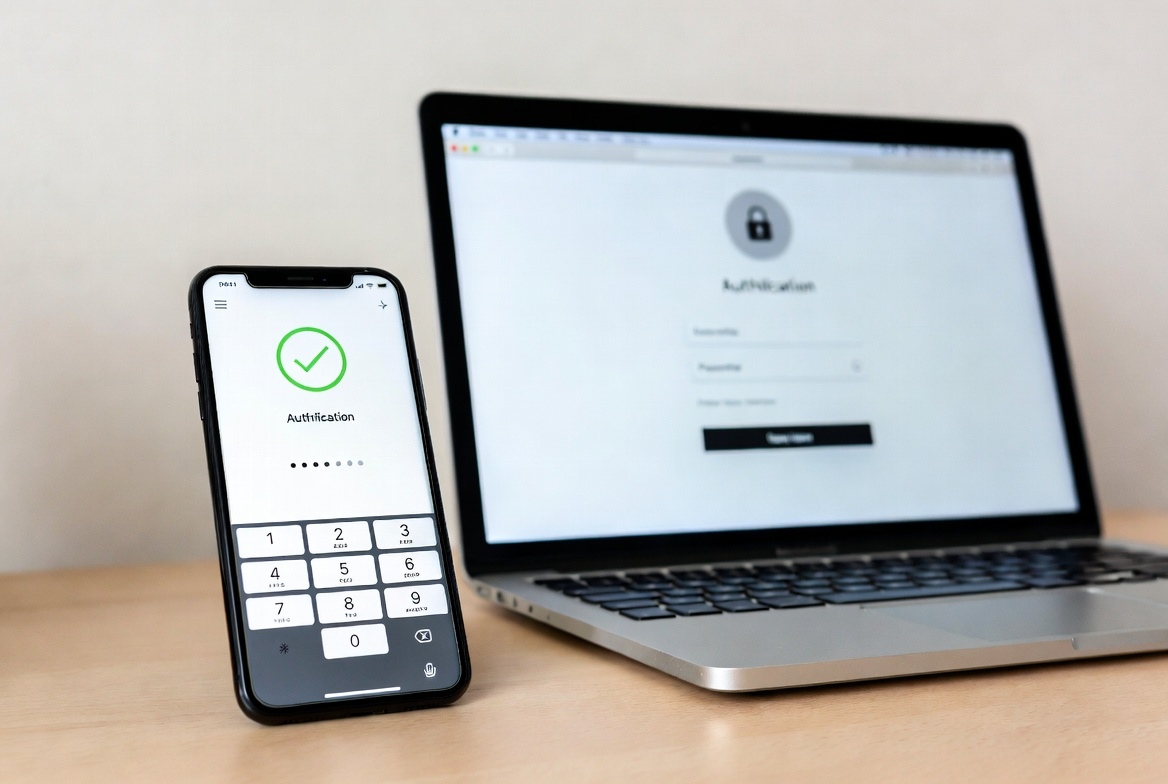
Multi-factor authentication would have stopped it cold. Even if the password was known, the attacker would still have needed the second factor — usually a code from a phone or an authenticator app. That single extra step blocks the vast majority of these account takeovers.
Many small businesses still treat MFA as optional or “something we’ll do later.” The problem is that later often arrives in the form of a breach. Setting it up properly across email, remote access, and key systems is one of the highest-return security moves a company can make, and it no longer has to be complicated or annoying for staff.